PqMold is your trusted one-stop custom manufacturing solution, from prototype design to manufacturing, through huge manufacturing resources, suitable technology, streamlined process, expert guidance, and perfect quality inspection process to turn your ideas into reality.
At PqMold, you can get an online sheet metal fabrication quote and free design analysis within hours, and have your sheet metal fabrication prototype completed within days.
With advanced production equipment and an experienced team of engineers, our sheet metal prototypes can be produced within a few days at a low unit cost, with strict tolerance control and a complete quality inspection process.
PqMold meets mass production needs through strict tolerance control, quality inspection, and a complete supply chain, and quickly delivers large quantities of low-cost, stable-performance sheet metal parts.
State-of-the-art Equipment
10+ Years of Sheet Metal Manufacturing
Competitive & Affordable Price
Quote Within 24 hours
Free DFM Feedback
Fast Turnaround in 7 days
Competitive & Affordable Price
State-of-the-art Equipment
10+ Years of Low-Volume Manufacturing
Fast Lead Time
Countries Shipped
100% Part Inspection
10+ Years of Medium&Mass Production
Competitive & Affordable Price
Large Supplier Network
100,0000+ Unique Parts Produced
Guaranteed Consistent Quality
Fast Turn-Around Production
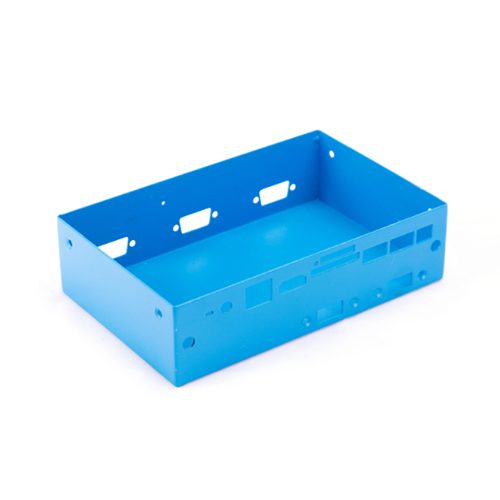
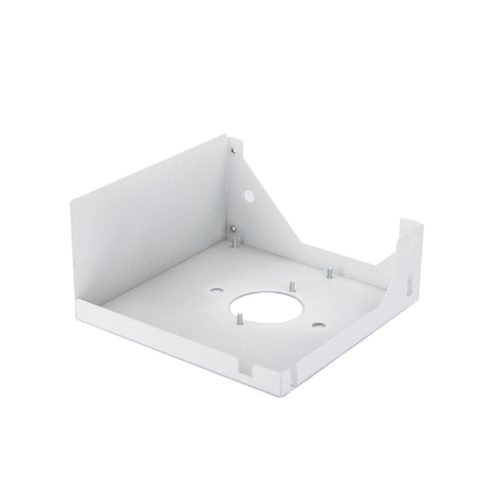
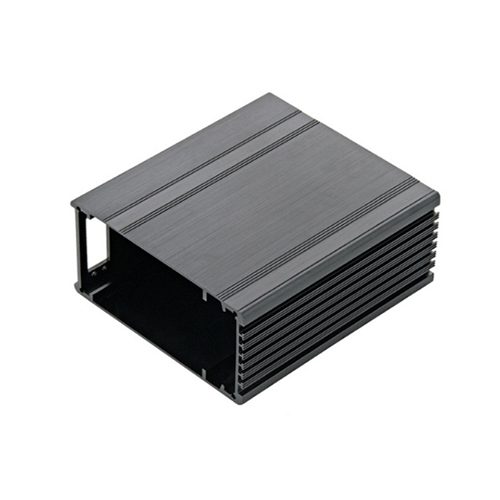
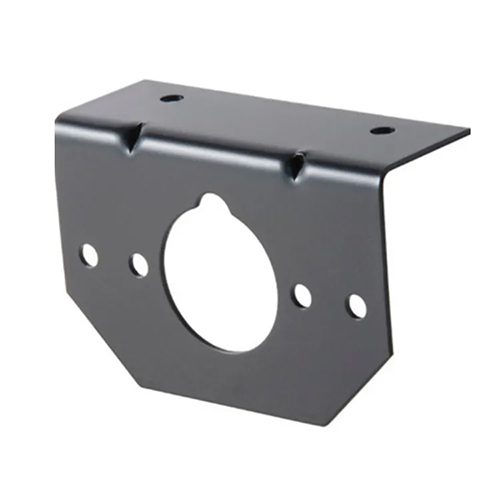
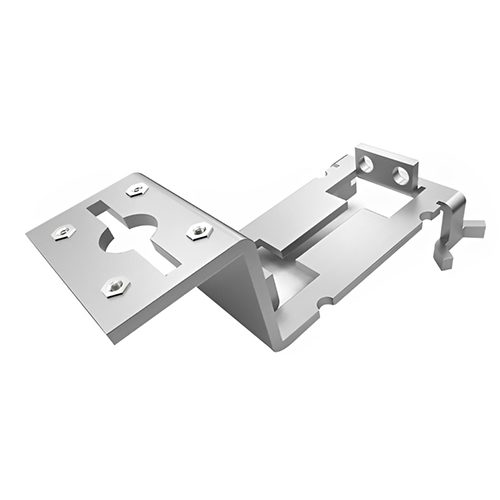
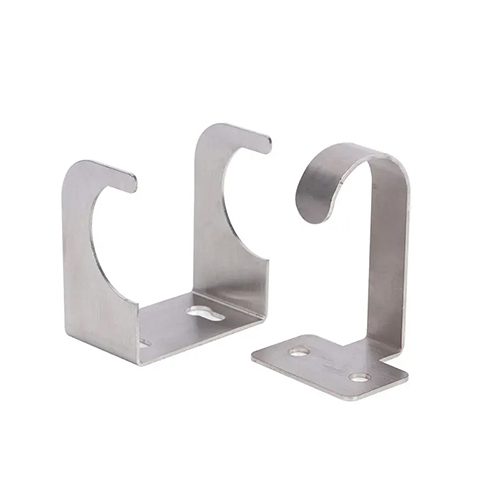
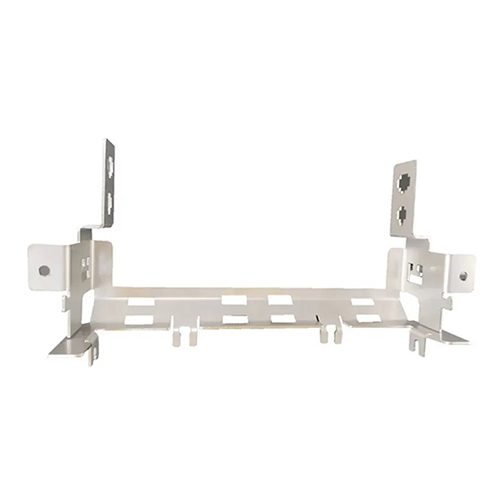
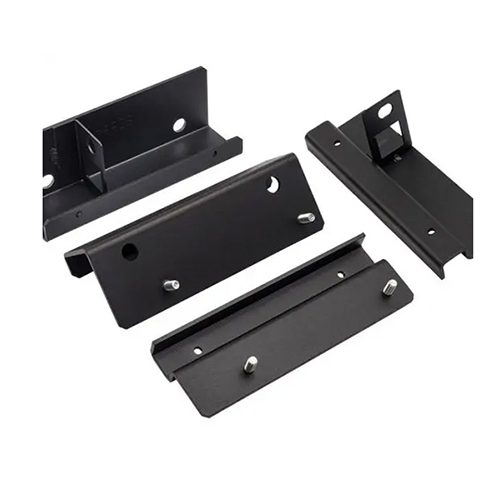
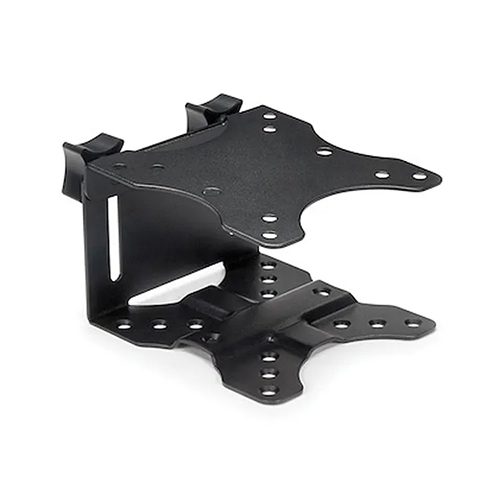
Sheet Metal Bending Services
Why Choose Us for Custom Sheet Metal Bending Service
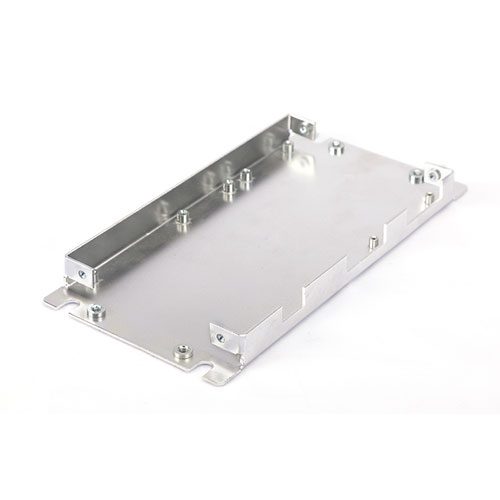
Utilize advanced sheet metal bending technology and an experienced team of engineers to ensure precise, accurate metal bending angles to meet your exact specifications. Get bending, pipe bending, and roll bending parts at competitive prices, get an instant quote, and learn more about our custom sheet metal bending solutions and fast turnaround times.
Offer sheet metal fabrication services such as bending, pipe bending, and roll bending at competitive prices. With advanced metal bending technology and an experienced team of engineers, we provide you with flexible material and surface finish options to meet your diverse sheet metal bending needs.
Provide you with high-precision customized sheet metal bending services at competitive prices, from prototype design to sheet metal Fabrication, tailor-made metal bending solutions for you to ensure you get excellent metal bending parts. Our talented team can provide value-added solutions that exceed your budget.
PqMold is an ISO13485-2016 and ISO 9001:2015 certified sheet metal machining manufacturer, each sheet metal part is thoroughly inspected, which guarantees that each sheet metal part is of top quality and meets your specific standards.
With advanced sheet metal bending equipment and an experienced engineer team, we provide customizable sheet metal bending solutions at competitive prices, specifying angles, bending radii, and other dimensions according to your design requirements to achieve seamless Customizable simple or multi-axis sheet metal bent parts.
04
Sheet Metal Bending Services
Work with Us in 4 Simple Steps Only
With many years of manufacturing experience, PqMold offers the best solutions for all rapid prototyping and low-volume manufacturing needs. We streamline the innovation cycle into four simple but effective steps.
01
Upload Your Design
Just simply upload your CAD files and submit RFQs with clear information online.
02
Receive Design Analysis
We'll send you design for manufacturability analysis and transparent pricing.
03
Start Manufacturing
Our experts will produce your parts with the required technologies and materials.
04
Receive Your Parts
Your parts will be delivered to your door directly with stringent deadlines.
Sheet Metal Bending Services
Our Sheet Metal Bending Standards
ISO 9001:2015 and ISO13485-2016 Certificated, PqMold ensures providing our customers with quality prototypes and production parts. Mature and advanced supporting metal bending machines and skilled technicians provide accurate and high quality metal bending services for rapid prototyping and production.
Standards
Description
Maximum Part Size
1.5 m x 1.5m
Metal Bending Forces
Up to 1000 tons
Bending Line Length
Up to 7200 mm
Bending Thickness
Up to 60 mm
General Tolerances
Our metal bending standards depend on ISO 2768.
Bend to edge/hole, single surface
+/- 0.254 mm (+/- 0.010 in.)
Bend Radius
Be equal to material thickness
Bend Angle
+/- 1°
Bending Cutting Area
Up to 4000 mm
Lead Time
5 days or more
Sheet Metal Bending Services
Materials for Custom Sheet Metal Bending
Many premium materials in a range of thicknesses are compatible with PqMold’S metal bending service. We have cutting-edge machinery at our facility that can bend materials with various mechanical and thermal qualities. See some of the materials you can use for your project.
Aluminum
Sheet metal machining often involves the use of aluminum due to its versatility, excellent thermal conductivity, and low resistivity. This material is cost-effective, highly productive, and generates less waste, making it an ideal choice for many applications. Additionally, aluminum is highly reusable, adding to its appeal in the metalworking industry.Subtypes: 2024, 5052, 5083, 6061, 6063, 6082, 7075
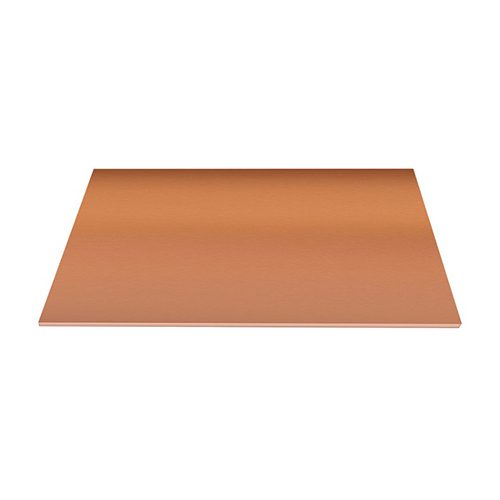
Due to its strong malleability and ductility, copper is a widely utilized sheet metal fabrication material in numerous sectors. And it is also a good choice for sheet metal manufacturing because of its superior electrical conductivity and heat conduction qualities.Subtypes: C101, C110, C103, C27400, C28000. C36000.
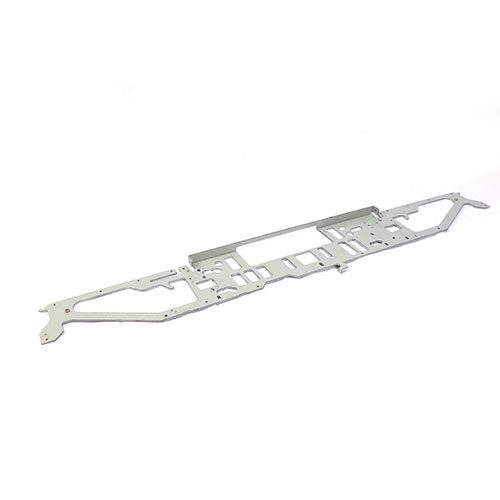
For industrial applications, steel has a number of advantages, such as rigidity, durability, heat resistance, and corrosion resistance. Steel metal is the best material to use when creating intricate designs and elements that need to be extremely precise. Moreover, steel is inexpensive to deal with and could achieve a superior polishing surface. Subtypes: 1018, 1020, 1025, 1045, 1215, 4130, 4140, 4340, 5140,A36,ST37.
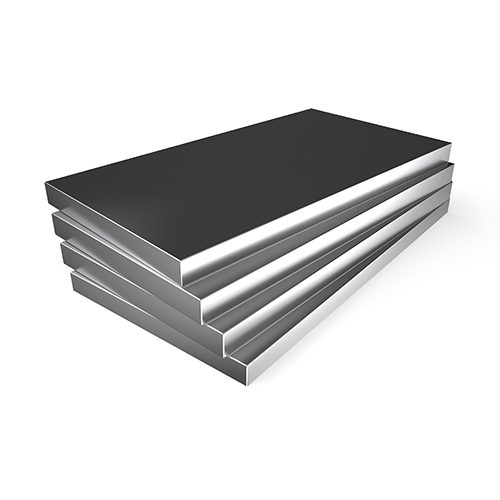
Stainless steel is the low carbon steel that contains a minimum of 10% chromium by weight. The material properties associated with stainless steel have made it a popular metal within a broad range of industries, including construction, automotive, aerospace and more. Within these industries, Stainless steel is versatile and is an effective choice for many applications.
Sheet metal machining often involves the use of aluminum due to its versatility, excellent thermal conductivity, and low resistivity. This material is cost-effective, highly productive, and generates less waste, making it an ideal choice for many applications. Additionally, aluminum is highly reusable, adding to its appeal in the metalworking industry.Subtypes: 2024, 5052, 5083, 6061, 6063, 6082, 7075
Due to its strong malleability and ductility, copper is a widely utilized sheet metal fabrication material in numerous sectors. And it is also a good choice for sheet metal manufacturing because of its superior electrical conductivity and heat conduction qualities.Subtypes: C101, C110, C103, C27400, C28000. C36000.
For industrial applications, steel has a number of advantages, such as rigidity, durability, heat resistance, and corrosion resistance. Steel metal is the best material to use when creating intricate designs and elements that need to be extremely precise. Moreover, steel is inexpensive to deal with and could achieve a superior polishing surface. Subtypes: 1018, 1020, 1025, 1045, 1215, 4130, 4140, 4340, 5140,A36,ST37.
Stainless steel is the low carbon steel that contains a minimum of 10% chromium by weight. The material properties associated with stainless steel have made it a popular metal within a broad range of industries, including construction, automotive, aerospace and more. Within these industries, Stainless steel is versatile and is an effective choice for many applications.
Outstanding surface finishing choices can enhance the surfaces of your bending components and final products. In order to improve the product’s aesthetic appeal and other qualities, a variety of surface finishing could be offered for you from PqMold.
Anodizing
Anodizing improves corrosion resistance, enhancing wear resistance and hardness, and protecting the metal surface. Widely used in mechanical parts, aircraft, and automobile parts, precision instruments, etc.
Sand blasting results in parts with a smooth surface with a matte texture. Used mainly for visual applications and can be followed by other surface treatments.
Powder coating is a type of coating that is applied as a free-flowing, dry powder. Unlike conventional liquid paint which is delivered via an evaporating solvent, powder coating is typically applied electrostatically and then cured under heat or with ultraviolet light.
Electroplating can be functional, decorative or corrosion-related. Many industries use the process, including the automotive sector, in which chrome-plating of steel automobile parts is common.
Polishing is the process of creating a smooth and shiny surface, either through physical rubbing of the part or by chemical interference. The process produces a surface with significant specular reflection, but in some materials is able to reduce diffuse reflection.
Anodizing improves corrosion resistance, enhancing wear resistance and hardness, and protecting the metal surface. Widely used in mechanical parts, aircraft, and automobile parts, precision instruments, etc.
Sand blasting results in parts with a smooth surface with a matte texture. Used mainly for visual applications and can be followed by other surface treatments.
Powder coating is a type of coating that is applied as a free-flowing, dry powder. Unlike conventional liquid paint which is delivered via an evaporating solvent, powder coating is typically applied electrostatically and then cured under heat or with ultraviolet light.
Electroplating can be functional, decorative or corrosion-related. Many industries use the process, including the automotive sector, in which chrome-plating of steel automobile parts is common.
Polishing is the process of creating a smooth and shiny surface, either through physical rubbing of the part or by chemical interference. The process produces a surface with significant specular reflection, but in some materials is able to reduce diffuse reflection.
Get answers to common questions about bend radius, material limitations, springback compensation, and tolerance control.
01. What are the three types of sheet metal bending?
Air bends, bottom bends, and impressions are the three main types.
02. Which sheet metal is best for bending?
Due to its wide range of uses and complete flexibility, carbon steel is the most commonly used material for bending in construction and OEM applications.
03.Is sheet metal easy to bend?
Sheet metal is a thin, malleable metal that maintains its shape even when bent. To achieve this, simply apply pressure to it with a stronger component.
04.How thick of sheet metal can you bend?
Steel 0.5-0.8 inches can be bent laterally with a minimum radius of 2.5 times the thickness. For longitudinal bends, the minimum radius may need to be 3.75 times the thickness. Steel 0.8-2 inches thick requires thermoforming.
05.What metal cannot be bent?
Some metals, such as tungsten and titanium, are very hard and less ductile, making them unsuitable for bending in most situations.
06.Does aluminum bend more easily than steel?
Yes, aluminum generally bends more easily than steel. It’s worth noting that the specific alloy and condition of the aluminum, as well as the type of steel, will affect the ease of bending. There are differences between each material category that affect its relative ease of bending. In addition, the thickness and geometry of the metal being bent and the bending process used also affect the ease and success of the bending operation.
07.What is the most difficult metal to bend?
The hardest metal is tungsten, and iron is also a hard metal. These metals resist bending and can withstand high temperatures without melting or weakening.
08.What grade of aluminum sheet metal is most suitable for bending?
3003 aluminum alloy is well suited for bending due to its average strength, excellent cold workability, high elongation, and significant difference between yield strength and tensile strength.
Contact
Have a Project in Mind?
Contact With Us
If you have a project in mind, our team is ready to guide you from concept to completion with expert support and reliable engineering solutions. Reach out to us and let’s build it together.