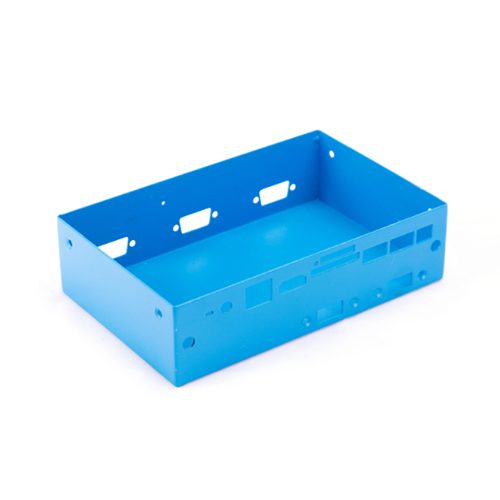
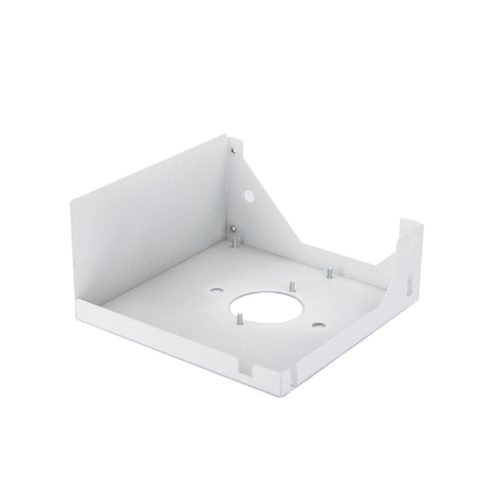
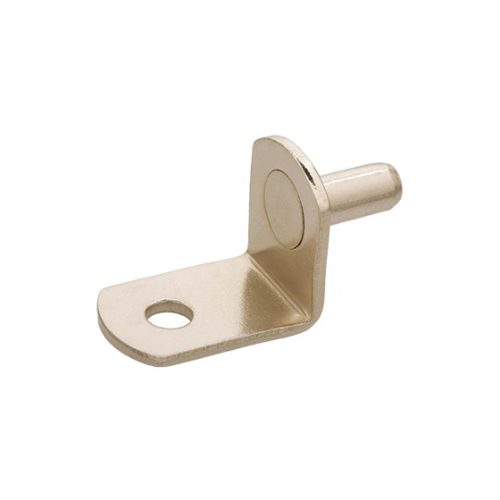
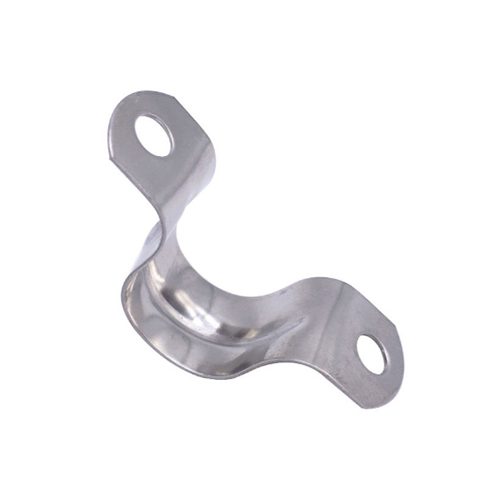
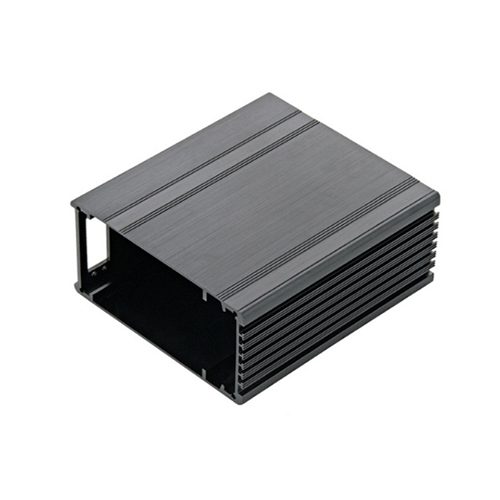
Plastic injection mold, Die casting die, Trim die, Fixture, components machining, and injection moulding parts.

Designing Progress, Delivering Quality Reliable solutions for modern manufacturing We enhance modern manufacturing with smart, scalable solutions backed by over 36 years of expertise. Shaping Tomorrow With Precision Smart Solutions for a Better Tomorrow We are committed to advancing manufacturing through smart, precise, and scalable mold solutions, backed by over 39 years of industry expertise
Services

Our Sheet Metal Welding Processes

PqMold is equipped with state of the art sheet metal welding equipment and cutting-edge technology, allowing us to tackle the most challenging Sheet Metal Welding tasks with ease. Our team of highly skilled and experienced welders has an in-depth knowledge of various welding techniques and processes. Whether it’s complex metal fabrication, structural welding, or repairs, our experts bring unparalleled craftsmanship to every project.

Sac metal kaynak hizmetleri ile yüksek dayanıklılık ve hassas birleştirme çözümleri sağlayın. PqMold uzman ekibi ile MIG, TIG ve robotik kaynak işlemleri kaliteli şekilde yapılır.
MIG welding, also known as GMAW (Gas Metal Arc Welding), is a well-liked welding technique that utilizes a welding gun to feed a continuous wire electrode. The weld is safeguarded from atmospheric pollutants by a shielding gas, which may be either inactive (e.g. argon) or active (e.g. carbon dioxide). GMAW is recognized for its flexibility, user friendliness, and ability to weld a variety of metals including steel, aluminum, and stainless steel.
01
Gas-Tungsten-Arc-Welding
TIG (Tungsten Inert Gas) welding, also known as GTAW, is a versatile and precise welding technique. It involves the use of a non-consumable tungsten electrode to create an electric arc, which is shielded by an inert gas, typically argon. TIG welding is preferred for its exceptional control over the welding process, which results in high-quality welds on a variety of metals such as stainless steel, aluminum, copper, and titanium. It is a popular choice for applications that require top-notch weld quality and an aesthetically pleasing finish.
02
Sheet-Metal-Arc-Welding-SMAW-768x576
SMAW, also known as stick welding, is a popular welding process used widely. This method uses a consumable electrode coated with flux. An electric arc is created between the electrode and the workpiece, melting the electrode and creating a weld pool. The flux coating acts as a protective shield, preventing the weld from atmospheric contamination. SMAW is a versatile welding process and can be used for welding different metals such as steel, stainless steel, cast iron, and others.
03
Flux-Cored-Arc-Welding-FCAW-768x576
FCAW is a welding process that involves using a tubular wire electrode with flux inside. This flux creates a shielding gas, which means that an external shielding gas source is not required. It is known for its ability to deposit material at high rates and penetrate deeply, making it suitable for heavy-duty applications. FCAW is commonly used in construction, shipbuilding, and pipeline welding, particularly for thick materials and in outdoor or windy conditions.
04
Why Choose Us

Our Sheet Metal Welding Services Capabilities

Sand Casting Services
image
000 +
Sets of Machines
00000 +
Customers Served
0 pc
MOQ
00 +
Surface Finishes

Sheet Metal Prototyping to Production

PqMold is your trusted one-stop custom manufacturing solution, from prototype design to manufacturing, through huge manufacturing resources, suitable technology, streamlined process, expert guidance, and perfect quality inspection process to turn your ideas into reality.

Sheet Metal Bending Services
At PqMold, you can get an online sheet metal fabrication quote and free design analysis within hours, and have your sheet metal fabrication prototype completed within days.
Sheet Metal Services
With advanced production equipment and an experienced team of engineers, our sheet metal prototypes can be produced within a few days at a low unit cost, with strict tolerance control and a complete quality inspection process.
Batch-Sheet-Metal-Production
PqMold meets mass production needs through strict tolerance control, quality inspection, and a complete supply chain, and quickly delivers large quantities of low-cost, stable-performance sheet metal parts.

Why Choose Us for Custom Sheet Metal Welding Services

PqMold attaches great importance to customer satisfaction by using state of the art welding technology and an experienced team. Our sheet metal welding services are precise, efficient, cost-effective, and produce superior results. By using our sheet metal welding services, your business can be more successful.

We offer TIG, MIG, spot welding, seam welding, laser welding, and other sheet metal fabrication services at competitive prices. With advanced sheet metal welding technology and an experienced team of engineers, we provide you with flexible material and surface finish options to meet your diverse sheet metal welding needs.
01
Provide you with high-precision customized sheet metal welding services at competitive prices, from prototype design to sheet metal fabrication, and tailor-made sheet metal welding solutions for you to ensure you get excellent sheet metal welding parts. Our talented team can provide value-added solutions that exceed your budget.
02
We offer every possible material type, surface finish option, tolerance, and manufacturing process for your sheet metal welding. Depending on your custom sheet metal welding parts needs, we provide you with different quotes and manufacturing recommendations so that you can get a personalized approach and the most cost-effective solution.
03
If you need engineering support, our team is available 24/7 to help. Our experienced sheet metal fabrication engineers can help you with part design, material selection, surface treatment options, and even delivery time recommendations. Rest assured, no matter where you are, we can meet your needs.
04

Work with Us in 4 Simple Steps Only

With many years of manufacturing experience, PqMold offers the best solutions for all rapid prototyping and low-volume manufacturing needs. We streamline the innovation cycle into four simple but effective steps.

01
Upload Your Design

Just simply upload your CAD files and submit RFQs with clear information online.

02
Receive Design Analysis

We'll send you design for manufacturability analysis and transparent pricing.

03
Start Manufacturing

Our experts will produce your parts with the required technologies and materials.

04
Receive Your Parts

Your parts will be delivered to your door directly with stringent deadlines.

Materials for Sheet Metal Welding

There are various metallic materials that react differently to heat. They have different melting points, tensile strengths, and ductility. Before welding, the welder should understand the material’s characteristics and limitations to achieve optimal sheet metal welding results.

Surface Finishes for Sheet Metal Welding Parts

Surface treatments from NOBLE can assist in improving the surface quality of your items. Surface treatments on custom items are designed to improve their look, surface hardness and roughness, chemical and corrosion resistance, and other qualities. They also aid in the concealment of any obvious tool marks from regions cut with live tooling. Here are some of your greatest options.

Custom Sheet Metal Welding Parts Display

Please browse our extensive gallery showcasing the precision sheet metal weldments created by us for our esteemed clients.

Sheet Metal Welding of FAQs

Find clear answers to common questions about welding methods, material compatibility, joint strength, distortion control, and finishing options.

01. What is the definition of Sheet Metal welding?

Sheet metal welding is the manufacturing process of melting and fusing metal or thermoplastics to create strong and permanent connections. Heat is used to melt the materials, and a filler material is added to assist the bonding process. The solidified bond is durable and unbroken.

Sheet metal welding is based on the controlled heating, melting, and fusion of materials, and the use of filler materials (if necessary), to create a strong and durable bond between the parts being joined. Material type, joint design, expected strength, and special application requirements all influence the parameters of the sheet metal welding process, equipment, and use.

Sheet metal welding plays a vital role in multiple industries, including joining and fabricating metal components, infrastructure construction, product manufacturing, maintenance and repair work, and even artistic creation. It provides versatility in material applications and has a significant economic impact. The process of creating a strong and reliable connection between materials makes welding an essential process.

Arc welding, gas welding, and resistance welding are the three main types of sheet metal welding, covering a variety of technologies and processes, each with its own advantages and applications. The choice of sheet metal welding method depends on a variety of factors, such as the materials being joined, the strength and quality of the sheet metal weld required, project requirements, and the skill and experience of the welder.

TIG welding is generally considered the strongest form of sheet metal welding because it generates intense heat and has a long cooling rate, resulting in high tensile strength and ductility. MIG is also a strong contender for the strongest form of welding because it produces a strong joint.

Learning Tungsten Inert Gas Welding (TIG) is widely considered the most challenging sheet metal welding process. This is due to the complexity of the technique, which requires more practice and concentration to master than other simpler methods of sheet metal welding. However, TIG sheet metal welding produces the strongest, most durable welds in the industry.

Acetylene is the most suitable fuel gas because of its ideal flame characteristics, including high temperatures and high propagation rates. While other gases such as propane, propylene, and natural gas are not sufficient for welding due to their low heat input, they still have uses in cutting, torch brazing, and welding.

Carbon dioxide improves the speed, penetration, and mechanical quality of sheet metal welds, making it ideal for metal inert gas (MIG) welding of steel. However, this gas can produce unstable arcs, splash losses, and large amounts of smoke. Reduce water damage by mixing carbon dioxide and argon gas.

There are several types of welding commonly used for sheet metal fabrication. Here are some of the most common sheet metal welding types:

TIG Welding (Gas Tungsten Arc Welding): MIG weldings a popular welding method that uses a consumable wire electrode and a shielding gas to protect the weld pool. It is relatively fast and suitable for both thin and thick sheet metal applications. MIG welding offers good productivity and can be easily automated.

Spot Welding: Spot welding is a resistance welding process that uses electrodes to apply pressure and heat to join two metal sheets together. It is commonly used in the automotive industry for joining sheet metal components. Spot welding is quick and efficient, producing localized welds without the need for additional filler material.

Seam Welding: Seam welding is a continuous welding process used to create long, leak-proof welds along the length of overlapping metal sheets. It is commonly used for joining sheet metal in applications such as tanks, pipes, and automotive body panels. Seam welding can be performed using TIG or MIG welding processes.

Laser Welding: Laser welding uses a high-energy laser beam to create a weld by melting and fusing the metal surfaces. It offers precise control and is suitable for both thin and thick sheet metal. Laser welding produces narrow and deep welds with minimal heat-affected zones.

Resistance Spot Projection Welding: Resistance spot projection welding is a variation of spot welding that uses specially designed electrodes to create a weld projection on one of the metal sheets. The projection allows for accurate alignment and improved joint strength in certain applications.

Contact

Have a Project in Mind? Contact With Us

If you have a project in mind, our team is ready to guide you from concept to completion with expert support and reliable engineering solutions. Reach out to us and let’s build it together.

ISTANBUL

İKİTELLİ OSB MAH. DEMİRCİLER SİTESİ

Phone Number

+905344109316

Email Address

Interested in working with us?
info@pqmold.com

Opening Hour

Mon-Fri: 08:00 - 17:00 Sat-Sun: Closed

Get in Touch

Have questions or need support? Fill out the form below and our team will get back to you as soon as possible with the assistance you need.