Welcome Professional Custom Parts Machining and Mold Service Provider
Our sheet metal fabrication factory provides premium custom sheet metal fabrication services, utilizing extensive sheet metal stamping, sheet metal cutting, sheet metal bending, sheet metal welding, precision CNC machining, and assembly capabilities to produce high-quality sheet metal parts. PqMold’s sheet metal fabrication manufacturers use advanced sheet metal fabrication technology and experienced engineers to ensure that you get unparalleled sheet metal fabrication parts with high precision and stable performance.
PqMold is your trusted one-stop custom manufacturing solution, from prototype design to manufacturing, through huge manufacturing resources, suitable technology, streamlined process, expert guidance, and perfect quality inspection process to turn your ideas into reality.
PqMold could handle everything from low-volume prototypes to high-volume production. Every sheet metal component is produced with precise specifications and quality standards. Why choose us? Here are 4 big reasons:
With many years of manufacturing experience, PqMold offers the best solutions for all rapid prototyping and low-volume manufacturing needs. We streamline the innovation cycle into four simple but effective steps.
Just simply upload your CAD files and submit RFQs with clear information online.
We'll send you design for manufacturability analysis and transparent pricing.
Our experts will produce your parts with the required technologies and materials.
Your parts will be delivered to your door directly with stringent deadlines.
To ensure part maneuverability and precision of fabricated prototypes and parts, our custom sheet metal fabrication services are in compliance with the ISO 2768-m.
| Dimension Detail | Metric Units | Imperial Units |
| Edge to edge, single surface | ±0.127 mm | ± 0.005 in. |
| Edge to hole, single surface | ±0.127 mm | ± 0.005 in. |
| Hole to hole, single surface | ±0.127 mm | ± 0.005 in. |
| Bend to edge / hole, single surface | ±0.254 mm | ± 0.010 in. |
| Edge to feature, multiple surface | ±0.762 mm | ± 0.010 in. |
| Over formed part, multiple surface | ±0.762 mm | ± 0.030 in. |
| Bend angle | ± 1° | |
| By default, sharp edges will be broken and deburred. For any critical edges that must be left sharp, please note and specify them in your drawing. | ||
Check out the specific advantages of each sheet metal manufacturing process and choose one for your custom part needs.
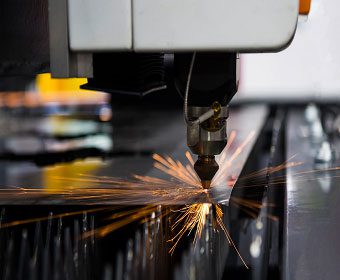
Laser cutting is a thermal cutting process that uses a high-power laser beam to precisely cut metals and other materials. The focused laser melts, burns, or vaporizes the material, while an assist gas removes molten residue to create clean, smooth edges.
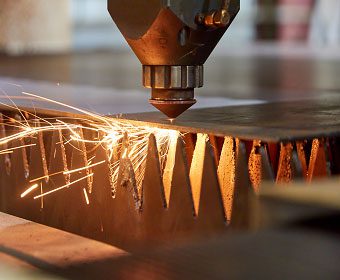
Plasma Cutting is a high-speed thermal cutting process that uses a jet of ionized gas (plasma) to cut electrically conductive materials such as steel, stainless steel, and aluminum.
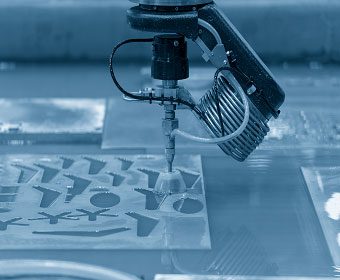
Waterjet Cutting is a cold cutting process that uses a high-pressure stream of water, sometimes mixed with abrasive materials, to cut a wide range of materials including metal, plastic, glass, and composites.
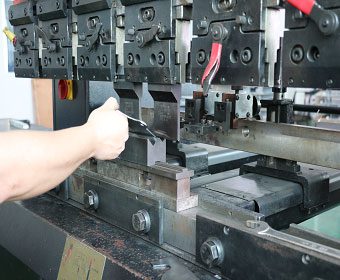
Sheet Metal Bending is a forming process that shapes metal sheets into desired angles and profiles using press brakes and precision tooling.
It enables accurate, repeatable bends while maintaining material strength, making it ideal for enclosures, brackets, frames, and custom structural components.
Laser cutting is a thermal cutting process that uses a high-power laser beam to precisely cut metals and other materials. The focused laser melts, burns, or vaporizes the material, while an assist gas removes molten residue to create clean, smooth edges.
Plasma Cutting is a high-speed thermal cutting process that uses a jet of ionized gas (plasma) to cut electrically conductive materials such as steel, stainless steel, and aluminum.
Waterjet Cutting is a cold cutting process that uses a high-pressure stream of water, sometimes mixed with abrasive materials, to cut a wide range of materials including metal, plastic, glass, and composites.
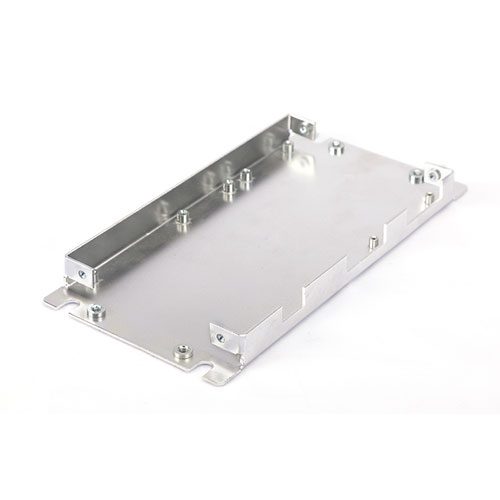
Sheet Metal Bending is a forming process that shapes metal sheets into desired angles and profiles using press brakes and precision tooling.
It enables accurate, repeatable bends while maintaining material strength, making it ideal for enclosures, brackets, frames, and custom structural components.
Whatever the application and requirements of your sheet metal fabrication part, trust NOBLE to find the right sheet metal fabrication material. Some popular materials available for custom metal fabrication are outlined below.
Commercially, aluminum is the most sought-after material for sheet metal manufacturing. Its popularity is due to its adaptive qualities and its high thermal conductivity and low resistance rates. Compared to steel—another common sheet metal material—aluminum is more cost-effective and has a higher rate of production. The material also generates the least amount of waste and can easily be reused.
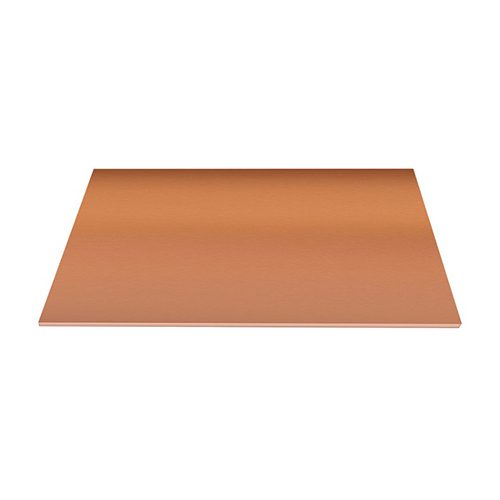
Copper is a broadly used sheet metal fabrication material in many industries as it offers good malleability and ductility. Copper is also well suited for sheet metal fabrication because of its excellent heat conduction properties and electrical conductivity.
Brass has desirable properties for a number of applications. It is low friction, has excellent electrical conductivity and has a golden (brass) appearance.
Steel offers a number of beneficial properties for industrial applications, including rigidity, longevity, heat resistance and corrosion resistance. Steel sheet metal is ideal for producing complex designs and parts that require extreme precision. Steel is also cost-efficient to work with and has excellent polishing properties.
Stainless steel is the low carbon steel that contains a minimum of 10% chromium by weight. The material properties associated with stainless steel have made it a popular metal within a broad range of industries, including construction, automotive, aerospace and more. Within these industries, Stainless steel is versatile and is an effective choice for many applications.
Commercially, aluminum is the most sought-after material for sheet metal manufacturing. Its popularity is due to its adaptive qualities and its high thermal conductivity and low resistance rates. Compared to steel—another common sheet metal material—aluminum is more cost-effective and has a higher rate of production. The material also generates the least amount of waste and can easily be reused.
Copper is a broadly used sheet metal fabrication material in many industries as it offers good malleability and ductility. Copper is also well suited for sheet metal fabrication because of its excellent heat conduction properties and electrical conductivity.
Brass has desirable properties for a number of applications. It is low friction, has excellent electrical conductivity and has a golden (brass) appearance.
Steel offers a number of beneficial properties for industrial applications, including rigidity, longevity, heat resistance and corrosion resistance. Steel sheet metal is ideal for producing complex designs and parts that require extreme precision. Steel is also cost-efficient to work with and has excellent polishing properties.
Stainless steel is the low carbon steel that contains a minimum of 10% chromium by weight. The material properties associated with stainless steel have made it a popular metal within a broad range of industries, including construction, automotive, aerospace and more. Within these industries, Stainless steel is versatile and is an effective choice for many applications.
Choose from a wide variety of finishing options to alter the surface of sheet metal manufacturing components and products to improve their corrosion resistance, enhance appearance, and reduce cleaning time.
Anodizing improves corrosion resistance, enhancing wear resistance and hardness, and protecting the metal surface. Widely used in mechanical parts, aircraft, and automobile parts, precision instruments, etc.
Sand blasting results in parts with a smooth surface with a matte texture. Used mainly for visual applications and can be followed by other surface treatments.
Powder coating is a type of coating that is applied as a free-flowing, dry powder. Unlike conventional liquid paint which is delivered via an evaporating solvent, powder coating is typically applied electrostatically and then cured under heat or with ultraviolet light.
Electroplating can be functional, decorative or corrosion-related. Many industries use the process, including the automotive sector, in which chrome-plating of steel automobile parts is common.
Polishing is the process of creating a smooth and shiny surface, either through physical rubbing of the part or by chemical interference. The process produces a surface with significant specular reflection, but in some materials is able to reduce diffuse reflection.
Brushing is a surface treatment process in which abrasive belts are used to draw traces on the surface of a material, usually for aesthetic purposes.
Anodizing improves corrosion resistance, enhancing wear resistance and hardness, and protecting the metal surface. Widely used in mechanical parts, aircraft, and automobile parts, precision instruments, etc.
Sand blasting results in parts with a smooth surface with a matte texture. Used mainly for visual applications and can be followed by other surface treatments.
Powder coating is a type of coating that is applied as a free-flowing, dry powder. Unlike conventional liquid paint which is delivered via an evaporating solvent, powder coating is typically applied electrostatically and then cured under heat or with ultraviolet light.
Electroplating can be functional, decorative or corrosion-related. Many industries use the process, including the automotive sector, in which chrome-plating of steel automobile parts is common.
Polishing is the process of creating a smooth and shiny surface, either through physical rubbing of the part or by chemical interference. The process produces a surface with significant specular reflection, but in some materials is able to reduce diffuse reflection.
Brushing is a surface treatment process in which abrasive belts are used to draw traces on the surface of a material, usually for aesthetic purposes.
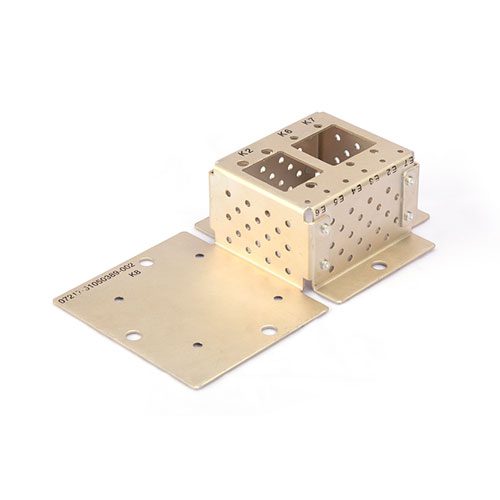
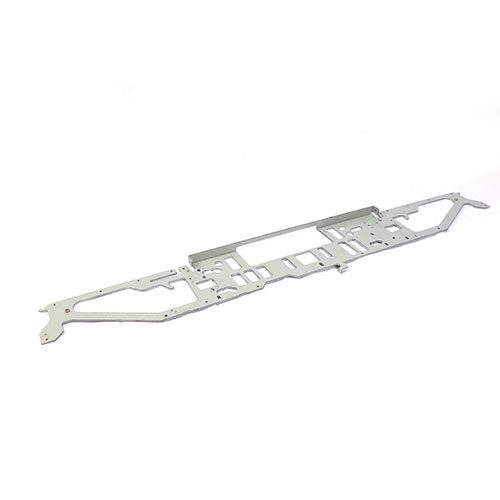
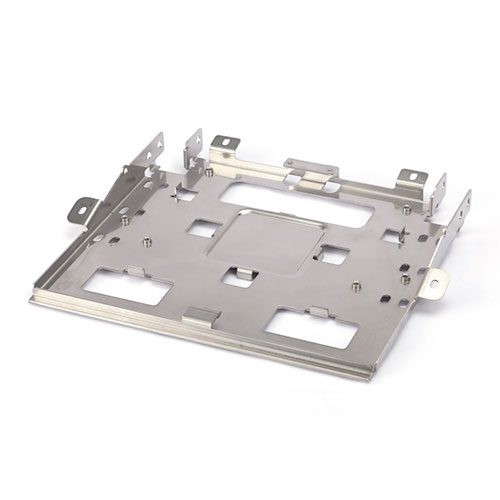
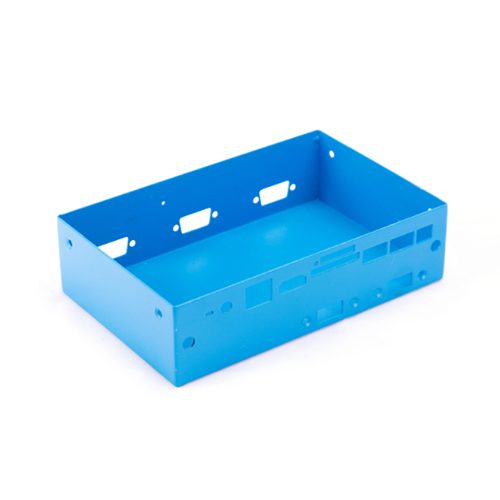
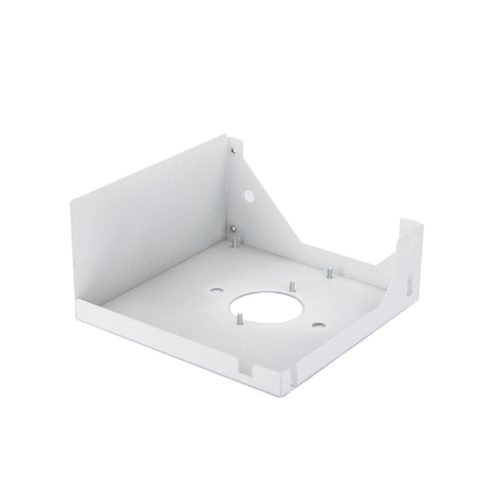
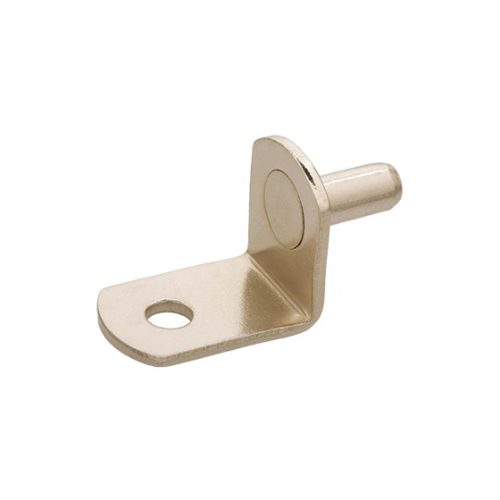
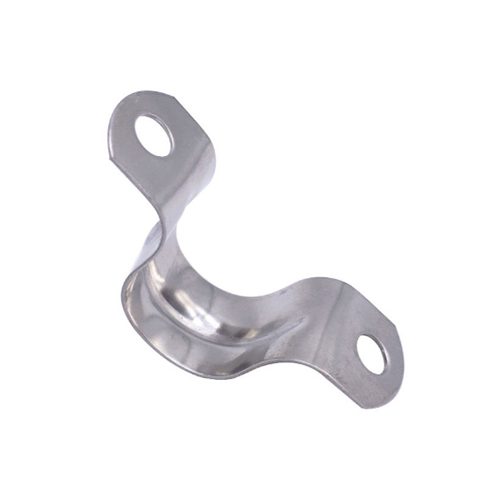
For more than ten years, PqMold has been focusing on providing sheet metal forming services for different metal materials and prototypes. The following are PqMold customized sheet metal fabrication parts for customers.
Find clear answers to common questions about materials, tolerances, surface finishes, lead times, and production capabilities.
Sheet metal manufacturing tolerances are the acceptable deviations of sheet metal part features required for accurate and consistent fit and integration.
ISO 2768-mk is typically used on sheet metal parts to ensure proper control of geometric and dimensional elements. Below you will find 7 standard tolerance ranges for linear and angular dimensions, flatness and straightness, and cylindricity and roundness.
The selection of the cutting machine is determined by the gauge of the sheet and the material used, along with other key elements like delivery, tolerances, and geometric complexity as expected. You don’t have to figure out the type of cutting machine suiting your sheet metal as our experts clearly know what kind of equipment, technology, and even materials are best suitable for your project. Thus, just submit your 3D files online and get a professional solution from our experts in fabricating sheet metal quickly.
The flexibility of 5-axis CNC machining allows the creation of complex components with complex shapes and geometrical details. The stability of the machining tool also gives more consistent and smoother surface finishes. Therefore, you should choose 5-axis machining whenever you need to produce complex parts with tight tolerances.
Generally, the cost of using just a single cutting machine such as a laser cutter to cut a part will spend less than that of multiple forming processes, for instance, cutting, bending, and punching. But most sheet metal parts need to be machined with a combination of different forming processes, and the per-unit costs will reduce by large-volume quantities.
The tolerances of sheet metal fabrication are decided by the features and dimensional details of sheet metal parts necessary for consistent and precise integration and installation.
To ensure the accurate control of the variables affecting the part precision and manufacturability, our custom sheet metal fabrication services are in accordance with the ISO 2768-mk.
The costs of sheet metal fabricated parts or products depend in every respect including the design, geometric complexity, forming processes, surface finishing operations, and more. Besides these crucial factors, the material costs should be also considered.
Our quote online will include all of these factors and even variables in line with the manufacturability of sheet parts, so request a quote to get started with your project right now.
In general, a part that is cut, bent and punched will cost more than a part that is, for example, just cut using a laser cutter.
However, most sheet metal parts demand a combination of forming processes, and this will not increase the price by a drastic amount.
The type of cutting machine used depends on the chosen material and the gauge of the sheet, as well as factors like desired lead time and tolerances.
We know which projects need which equipment, so you don’t need to specify a particular cutting machine.
If you have a project in mind, our team is ready to guide you from concept to completion with expert support and reliable engineering solutions. Reach out to us and let’s build it together.
İKİTELLİ OSB MAH. DEMİRCİLER SİTESİ
Interested in working with us?
info@pqmold.com
Mon-Fri: 08:00 - 17:00 Sat-Sun: Closed
Have questions or need support? Fill out the form below and our team will get back to you as soon as possible with the assistance you need.