Welcome Professional Custom Parts Machining and Mold Service Provider
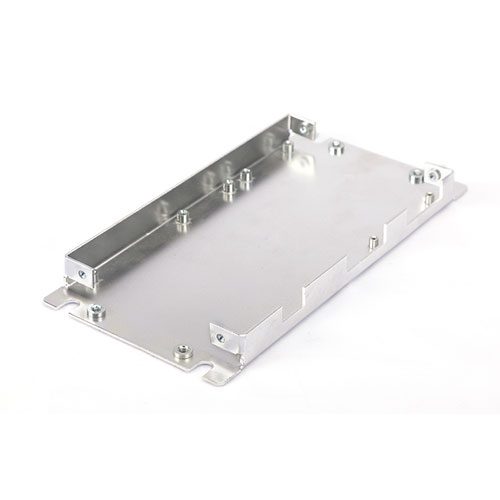
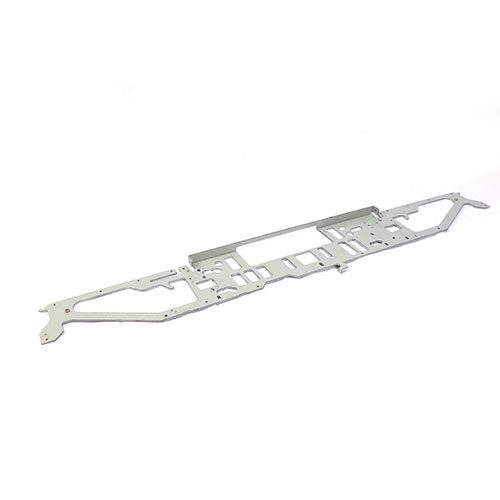
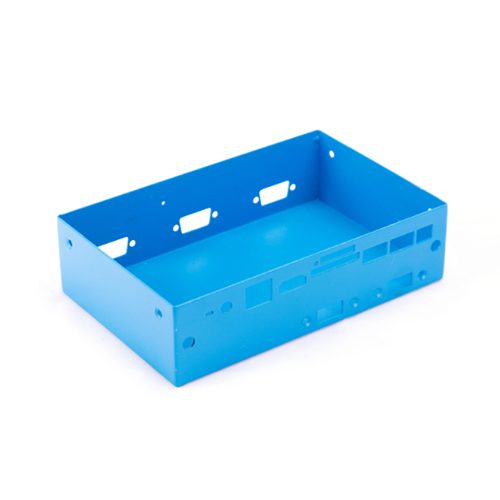
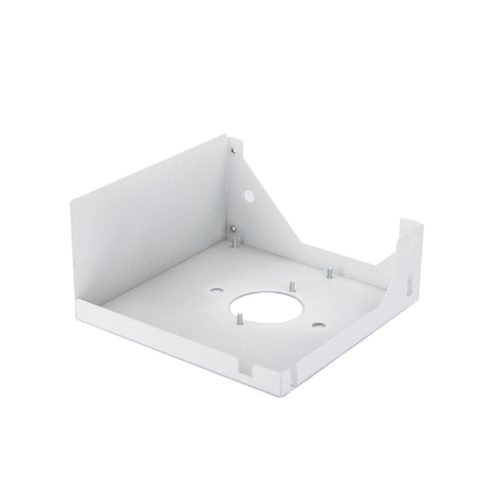
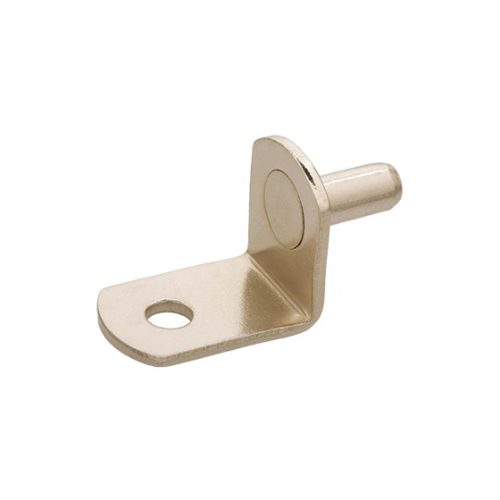
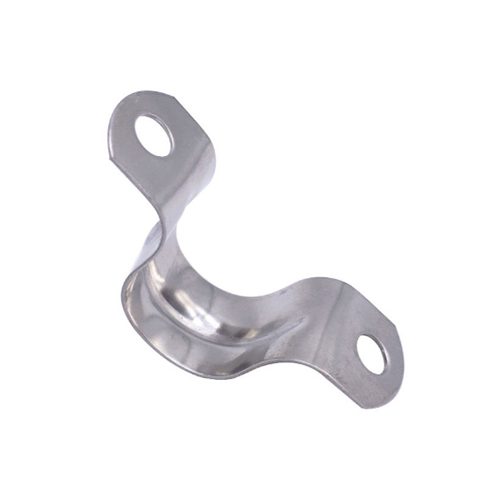
Our sheet metal stamping services could design and create progressive dies and four-slide tools, as well as precision machining. We are also able to perform any necessary secondary manufacturing processes, such as deburring and tapping. Our team has a deep understanding of metallurgy, and we are committed to providing exceptional customer support for all of our metal stamping and forming products. We can shape and form your workpiece to the optimal geometry and can achieve precision tolerances down to one-thousandth of an inch.
PqMold is your trusted one-stop custom manufacturing solution, from prototype design to manufacturing, through huge manufacturing resources, suitable technology, streamlined process, expert guidance, and perfect quality inspection process to turn your ideas into reality.
PqMold prioritizes customer satisfaction by combining cutting-edge technology with the expertise of our skilled professionals. Our Sheet Metal Stamping services are precise, streamlined, cost-effective, and produce excellent results. Choosing our stamping services can help propel your company to new heights of success.
With many years of manufacturing experience, PqMold offers the best solutions for all rapid prototyping and low-volume manufacturing needs. We streamline the innovation cycle into four simple but effective steps.
Just simply upload your CAD files and submit RFQs with clear information online.
We'll send you design for manufacturability analysis and transparent pricing.
Our experts will produce your parts with the required technologies and materials.
Your parts will be delivered to your door directly with stringent deadlines.
Our precision metal stamping services can deliver your part’s desired shape, whether you’re in the aerospace.automotive, telecommunications, or electronics industry. We try to achieve special tolerances as long as you indicateyour requirements for your drawing
| Minimum Diameters | Aluminum: At least 1.2x the thickness of the materiaStainless Steel: 2x the material thickness |
| Distance From Edges | At least twice the material thickness |
| Distance From Bends | Desian holes or slots less than 0.100″ in diameter or width at a distance of at leasttwice the material thickness (2x MT) plus the radius of the form. |
| Bend Height | 2.5x the material thickness plus the bend radius |
| Bends Close to Edges | At least twice as wide as the material thickness and as long as the bend radius |
| Notches and Tabs | A width of 1.5x the material thickness |
| Corner Radii | At least half the material thickness |
PqMold provides a wide range of materials for both our standard and custom metal stampings.
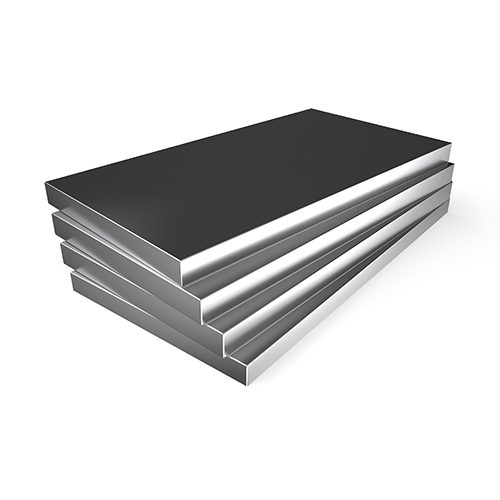
Aluminium is a metal that is lightweight and has good formability, making it ideal for a variety of stamping applications. It is frequently used in the automotive, aerospace, and electronics sectors. For stamping purposes, aluminum alloys like 5052 and 6061 are frequently employed.
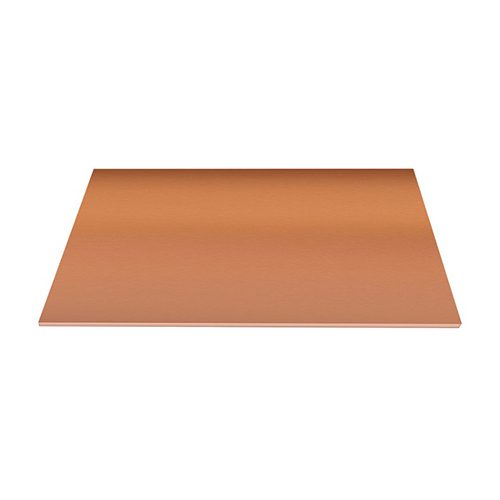
Copper is renowned for its exceptional electrical and thermal conductivity, making it a popular choice for electrical and electronic components. Copper alloys, such as brass and bronze, are utilized for applications that demand increased strength or protection against corrosion.
Steel is the most commonly used material for metal stamping due to its strength, durability, and availability. Various types of steel are used, including carbon steel, stainless steel, and alloy steel. Carbon steel is often used for general-purpose stamping, while stainless steel is preferred for applications requiring corrosion resistance.
Titanium is a lightweight and high-strength metal with excellent corrosion resistance. It is often used in aerospace and medical industries, where its biocompatibility is also advantageous. Titanium alloys, such as Ti-6Al-4V, are commonly used for stamping applications.
Aluminium is a metal that is lightweight and has good formability, making it ideal for a variety of stamping applications. It is frequently used in the automotive, aerospace, and electronics sectors. For stamping purposes, aluminum alloys like 5052 and 6061 are frequently employed.
Copper is renowned for its exceptional electrical and thermal conductivity, making it a popular choice for electrical and electronic components. Copper alloys, such as brass and bronze, are utilized for applications that demand increased strength or protection against corrosion.
Steel is the most commonly used material for metal stamping due to its strength, durability, and availability. Various types of steel are used, including carbon steel, stainless steel, and alloy steel. Carbon steel is often used for general-purpose stamping, while stainless steel is preferred for applications requiring corrosion resistance.
Titanium is a lightweight and high-strength metal with excellent corrosion resistance. It is often used in aerospace and medical industries, where its biocompatibility is also advantageous. Titanium alloys, such as Ti-6Al-4V, are commonly used for stamping applications.
PqMold’s diverse range of surface finishes can help improve the surface qualities of your products. Surface finishes on your customized parts are intended to improve their appearance, surface hardness, and roughness, chemical and corrosion resistance, and other properties. They also help to hide any visible tool marks from areas cut with live tooling. Here are some of your best alternatives.
Anodizing improves corrosion resistance, enhancing wear resistance and hardness, and protecting the metal surface. Widely used in mechanical parts, aircraft, and automobile parts, precision instruments, etc.
Sand blasting results in parts with a smooth surface with a matte texture. Used mainly for visual applications and can be followed by other surface treatments.
Powder coating is a type of coating that is applied as a free-flowing, dry powder. Unlike conventional liquid paint which is delivered via an evaporating solvent, powder coating is typically applied electrostatically and then cured under heat or with ultraviolet light.
Electroplating can be functional, decorative or corrosion-related. Many industries use the process, including the automotive sector, in which chrome-plating of steel automobile parts is common.
Polishing is the process of creating a smooth and shiny surface, either through physical rubbing of the part or by chemical interference. The process produces a surface with significant specular reflection, but in some materials is able to reduce diffuse reflection.
Brushing is a surface treatment process in which abrasive belts are used to draw traces on the surface of a material, usually for aesthetic purposes.
Anodizing improves corrosion resistance, enhancing wear resistance and hardness, and protecting the metal surface. Widely used in mechanical parts, aircraft, and automobile parts, precision instruments, etc.
Sand blasting results in parts with a smooth surface with a matte texture. Used mainly for visual applications and can be followed by other surface treatments.
Powder coating is a type of coating that is applied as a free-flowing, dry powder. Unlike conventional liquid paint which is delivered via an evaporating solvent, powder coating is typically applied electrostatically and then cured under heat or with ultraviolet light.
Electroplating can be functional, decorative or corrosion-related. Many industries use the process, including the automotive sector, in which chrome-plating of steel automobile parts is common.
Polishing is the process of creating a smooth and shiny surface, either through physical rubbing of the part or by chemical interference. The process produces a surface with significant specular reflection, but in some materials is able to reduce diffuse reflection.
Brushing is a surface treatment process in which abrasive belts are used to draw traces on the surface of a material, usually for aesthetic purposes.
Please browse our extensive gallery showcasing the precision sheet metal stamping parts created by us for our esteemed clients.
Get quick answers to frequently asked questions about tooling, material selection, tolerances, production volume, and cost considerations.
Sheet metal stamping offers several advantages, including high production efficiency, consistent part quality, cost-effectiveness for high-volume production, the ability to create complex shapes and features, and compatibility with a wide range of materials. It also allows for automation, which can further enhance productivity.
Sheet metal stamping is used to manufacture a wide range of products across various industries. Common examples include automotive components (such as brackets, panels, and chassis parts), electrical and electronic components, appliances, aerospace parts, hardware, and various metal enclosures.
The metal stamping process typically involves the following steps: design and engineering, material selection, tool and die design, material blanking (cutting), forming (bending, drawing, etc.), secondary operations (such as piercing, threading, or welding), inspection, and finishing.

When designing parts for metal stamping, considerations such as material selection, part geometry, tolerances, draft angles, and bend radiuses are important. Design for manufacturability (DFM) principles should be applied to ensure efficient production and minimize potential issues.
Flat metal sheets are formed via a manufacturing technique called sheet metal stamping or pressing. A flat sheet of metal—either a blank or a coil—is placed in a sheet metal stamping press during this procedure, where a tool and die surface shape the metal into its desired form.
Sheet Metal, 24-gauge to 20-gauge Brass, copper, and sterling silver are all available in 24-gauge to 20-gauge sheets, which is ideal for sheet metal stamping.
You are usually only able to use relatively low-strength materials, including low-carbon iron or steel, due to the nature of sheet metal stamping processes. The tools frequently break when used with strong materials. By adding ribs and other radii, sheet metal stamped pieces can be made stiffer, but the material must still have some ductility.
If you have a project in mind, our team is ready to guide you from concept to completion with expert support and reliable engineering solutions. Reach out to us and let’s build it together.
42 Mamnoun Street, Saba Carpet and Antiques Store, UK
Interested in working with us?
support.industrie@gmail.com
Mon-Fri: 08:00 - 17:00 Sat-Sun: Closed
Have questions or need support? Fill out the form below and our team will get back to you as soon as possible with the assistance you need.