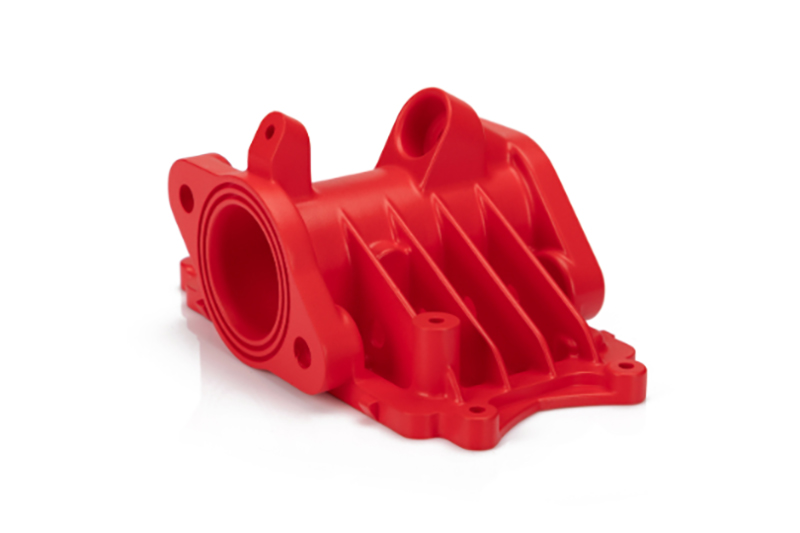
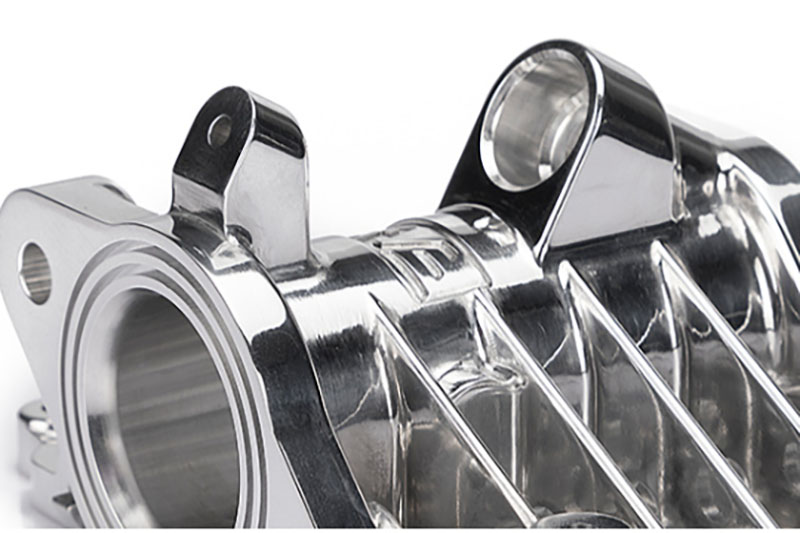
Plastic injection mold, Die casting die, Trim die, Fixture, components machining, and injection moulding parts.

Designing Progress, Delivering Quality Reliable solutions for modern manufacturing We enhance modern manufacturing with smart, scalable solutions backed by over 36 years of expertise. Shaping Tomorrow With Precision Smart Solutions for a Better Tomorrow We are committed to advancing manufacturing through smart, precise, and scalable mold solutions, backed by over 39 years of industry expertise
Services

Our Precision Die Casting Services

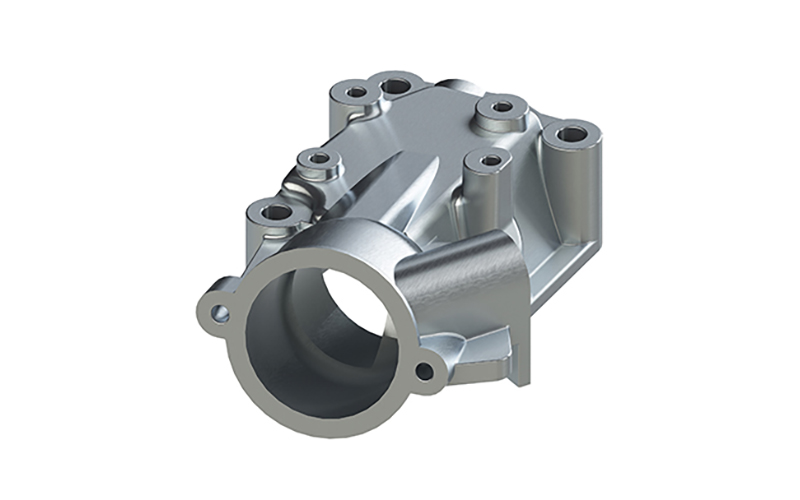
PqMold has been offering die casting services to various industries for over 10 years. We provide a range of manufacturing options to choose from, and our skilled team can help with design optimization, material selection, and manufacturability evaluation. Help provide robust and durable parts and prototypes.

 
Die Casting Services
Hot chamber die casting, also known as gooseneck casting, is a manufacturing process that is mainly used for casting metals with low melting points like zinc, tin, and lead-based alloys. One notable aspect of this process is that the metal is melted and kept in a furnace that is connected to the die casting machine. Benefits of hot chamber die casting includes faster cycle times and lower equipment expenses. it is limited to low-melting materials due to the fact that the molten metal comes into direct contact with the furnace and other components.
metal enjeksiyon döküm
Cold chamber die casting also called injection die casting, is a method used for casting metals with high melting points, like copper, aluminum, and magnesium alloys. This process involves introducing the molten metal into a mold cavity from an external furnace instead of keeping it in the machine. Cold chamber die casting offers several advantages, including the ability to cast high melting point alloys, better control of molten metal temperature, and reduced wear on machine components. However, it typically has longer cycle times compared to hot chamber die casting.
Die Casting Services

Our Custom Die Casting Molds Services

ALuminum-Die-Casting-Mold
Create reliable small precision die-casting molds for custom die-cast parts. Let you get accurate and excellent custom die-casting molds to produce high-quality die-casting parts. Leverage our commitment to quality, fast production, and competitive pricing to produce long-life, high stability die casting molds.
Zin-Die-casting-Mold-768x480
With more than 10 years of rich die-casting mold experience, advanced die-casting mold equipment, and professional technical engineers, NOBLE produces long-life, high-stability, and consistent die-casting molds at competitive prices. NOBLE is good at designing and manufacturing die-casting molds for auto parts, 5G communication equipment, aviation parts, electrical and electronic, and medical equipment.
Why Choose Us

Our Robust Die Casting Capabilities

Sand Casting Services
image
00 +
Die Casting Machines
00 +
Experience years
0 pc
MOQ
00 +
Surface Finishes
Die Casting Services

From Prototyping to Manufacturing

PqMold is your trusted one-stop custom manufacturing solution, from prototype design to manufacturing, through huge manufacturing resources, suitable technology, streamlined process, expert guidance, and perfect quality inspection process to turn your ideas into reality.

CNC Routing Services
From PqMold, get fast and reliable manufacturing solutions with online quoting and free design analysis completed within hours. Our experienced engineering team reviews your design to optimize manufacturability, quality, and cost—so your CNC machined prototypes and production parts are delivered in just days, not weeks.
CNC Grinding Services
With advanced production equipment and an experienced team of engineers, we can manufacture products with complex geometric shapes and high-precision requirements under strict tolerance control and comprehensive quality inspection processes. From material selection to final inspection and reliable product quality.
Zinc Die Casting Services
PqMold meets mass production needs through strict tolerance control, comprehensive quality inspection, and a complete supply chain, delivering cost-effective, high-precision parts quickly and reliably. With scalable manufacturing capabilities and consistent performance from pilot runs to full-scale production.
Die Casting Services

Why Choose Us for Custom Die Casting Services

PqMold uses advanced technology and has a team of skilled professionals who are dedicated to putting our customers first. Our die casting services are precise, efficient, cost-effective, and produce high-quality results. By choosing our die casting services, you can elevate your business to new levels of success.

We can offer you the lowest price in the same quality. Strictly control the machining and finish treatment quality, what you will get is what you designed.
01
We strictly implement the quality management system to ensure that the product quality is consistent and in line with expectations. A thorough inspection also ensures that the precision-machined parts you receive are free of any unnecessary defects.
02
Not only do we have a digital CNC machining services platform that provides a faster ordering process, but we also own domestic workshops and state-of-the-art machinery to accelerate the production of your prototypes or parts.
03
No matter where you are, you can get our 24/7 engineering support all year around. Our experienced engineer can provide you with the most appropriate solution for your part design, material selection, surface finishing options, and even lead time.
04
Die Casting Services

Work with Us in 4 Simple Steps Only

With many years of manufacturing experience, PqMold offers the best solutions for all rapid prototyping and low-volume manufacturing needs. We streamline the innovation cycle into four simple but effective steps.

01
Upload Your Design

Just simply upload your CAD files and submit RFQs with clear information online.

02
Receive Design Analysis

We'll send you design for manufacturability analysis and transparent pricing.

03
Start Manufacturing

Our experts will produce your parts with the required technologies and materials.

04
Receive Your Parts

Your parts will be delivered to your door directly with stringent deadlines.

Die Casting Services

Die Casting Tolerances and Standards

With precision die casting services, PqMold is your ideal partner to create precision machined prototypes and parts tolereance is down to 0.001. We can also achieve special tolerances as long as you indicate your requirements for your drawing.

DimensionStandards
Minimum part weight0.017 kg
Maximum part weight12 kg
Minimum part size∅17 mm × 4 mm
Maximum part size300 mm × 650 mm
Minimum wall thickness0.8 mm
Maximum wall thickness12.7 mm
Tolerance class for castingISO 8062 ST5
Minimum possible batch1000 pcs
Die Casting Services

Materials for Custom Die Casting Parts

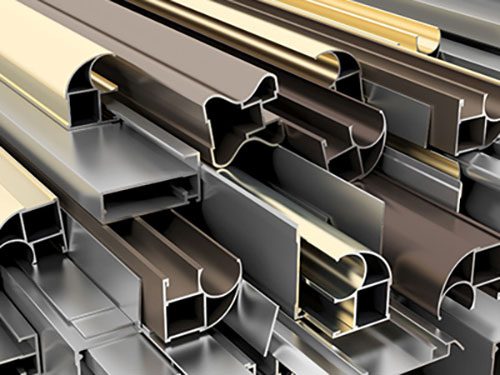
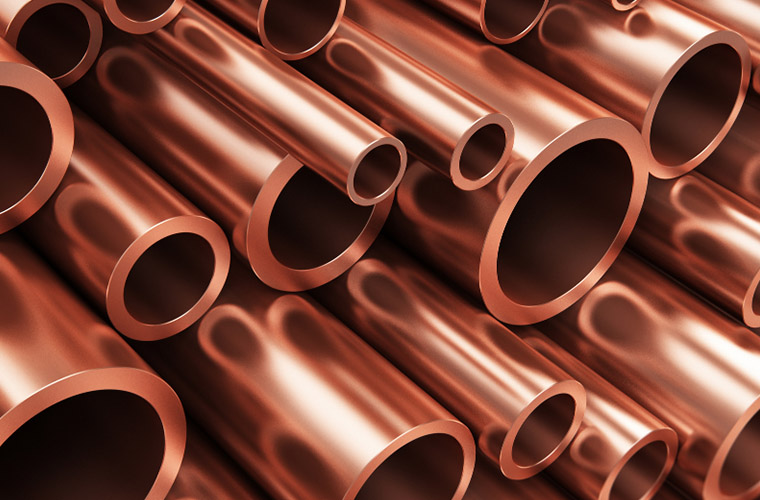
Metals with low fusing temperatures, such as aluminum, zinc, magnesium, lead, and copper, are commonly used in die casting. Some ferrous and uncommon metals, however, can also be used. Some common materials as following:

Die Casting Services

Surface Finishes for Die Casting

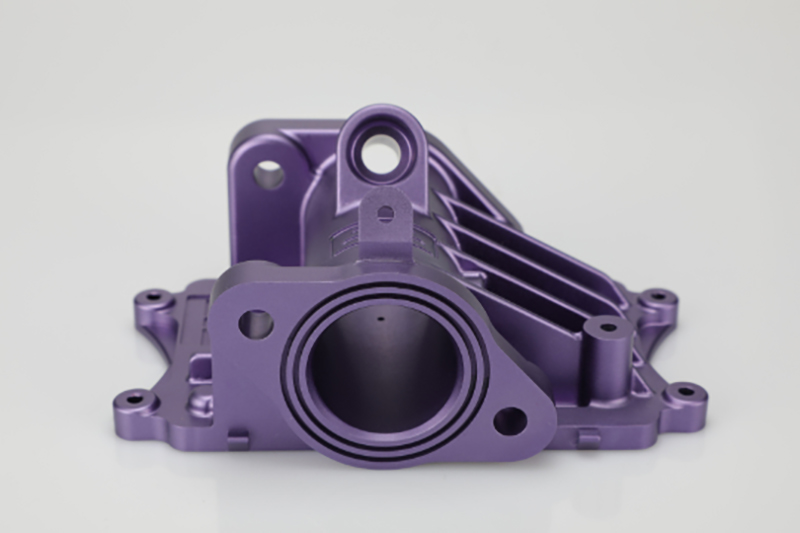
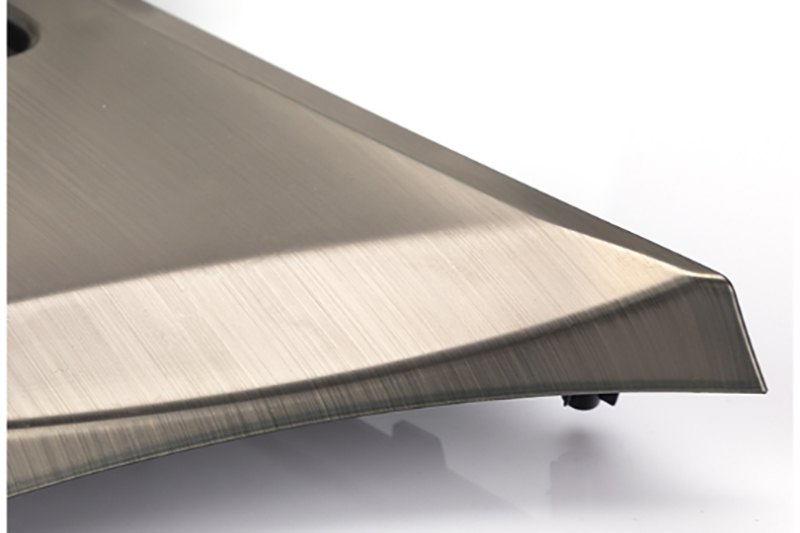
PqMold can help improve the surface qualities of your products by offering a diverse range of surface finishes. Surface finishes on your customized parts aim to improve their appearance, surface hardness, and roughness, chemical and corrosion resistance, and so on. They also aid in the concealment of any visible tool marks from areas cut with live tooling. Here are some of your best options.

Custom Die Casting Parts Display

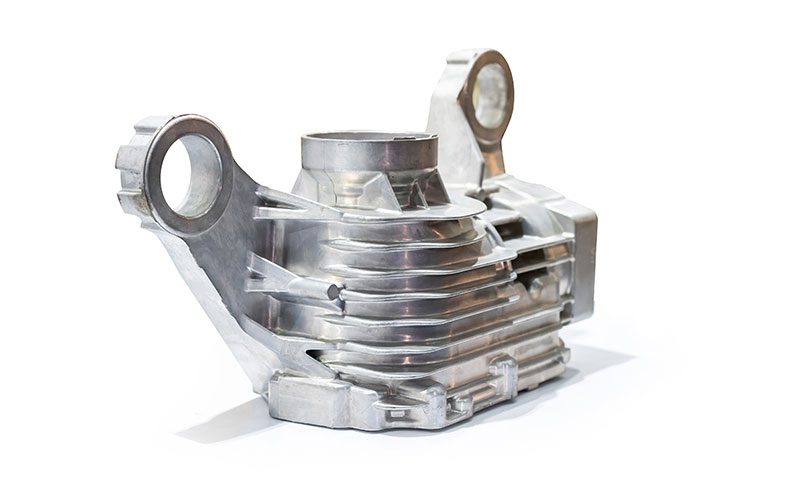
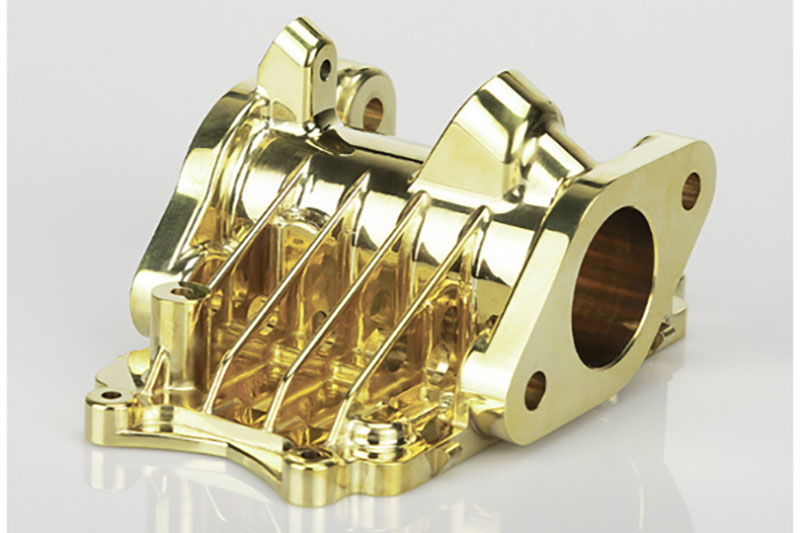
Please take a look at our customized precision aluminum alloy die-casting parts for valued customers, from prototype design to die-casting molding, to obtain impeccable surface treatment and stable performance of aluminum alloy die-casting parts at competitive prices.

Die Casting FAQs

Explore detailed answers to common questions about our die casting services, including material selection, tooling design, surface finishing, production capacity, and quality control standards. This section helps you better understand our process and how we deliver consistent, high-precision cast components for various industries.

01. What is die casting?

Die casting involves injecting molten metal into a mold cavity at high pressure. The metal then solidifies and takes on the precise shape of the mold, creating a finished part that is complex and accurate. This process is often used to produce top-quality metal components with exceptional surface finish and dimensional accuracy.

Die casting can be performed using a variety of materials, including aluminum, zinc, magnesium, and copper-based alloys. Aluminum is the most commonly used material in die casting due to its lightweight, high strength-to-weight ratio, and excellent thermal conductivity. Zinc alloys are often chosen for their superior casting properties and cost-effectiveness. Magnesium and copper-based alloys are preferred for applications that require specific mechanical or thermal properties.

Die casting offers several advantages over other manufacturing processes. These include:

High dimensional accuracy and repeatability

Excellent surface finish and intricate detailing

Fast production cycle times

Ability to produce complex shapes with thin walls

Good mechanical properties and strength

Cost-effective for high-volume production

Minimal post-processing required

Die casting finds application in a wide range of industries, including automotive, aerospace, electronics, appliances, telecommunications, and medical equipment. It is used to manufacture components such as engine parts, transmission housings, chassis components, electronic enclosures, heat sinks, and various consumer products. Die casting is favored in industries that require high-volume production of complex, lightweight, and dimensionally accurate parts.

Die casting is a casting process that uses a metal mold, called a die, to produce intricate and accurately shaped metal parts, while casting refers to a broader category of processes that involve pouring molten material into a mold to create a desired shape.

Forging involves shaping metal by applying compressive forces, typically using a hammer or press, while die casting is a process of creating metal parts by injecting molten metal into a die under high pressure.

Die casting offers greater precision, faster production cycles, and the ability to create complex shapes with tight tolerances compared to sand casting, making it a preferred choice for high-volume production of intricate metal parts.

Die casting is a metal casting process that injects molten metal into a die to create solid metal parts, while injection molding is a plastic molding process that injects molten plastic into a mold to produce plastic parts.

Sand die casting, also known as sand casting or sand-molded casting, is a casting process that uses sand as the mold material to create complex metal parts. In this process, a pattern is pressed into a sand mold, molten metal is poured into the mold cavity, and once solidified, the sand mold is broken apart to retrieve the cast metal part.

A die casting mold, also referred to as a die or a tool, is a metal mold used in the die casting process to shape and form molten metal into specific parts. The mold consists of two halves, the cavity and the core, which are precision machined to create the desired shape and features of the final product. The molten metal is injected under high pressure into the mold, and after solidification, the mold is opened to extract the cast part. Die casting molds are typically made of steel and are designed to withstand the high temperatures and pressures involved in the process.
One of the main disadvantages of die casting is the high initial cost of tooling and mold creation, making it less suitable for low-volume production or prototyping. Additionally, die casting may have limitations in terms of the size of parts that can be produced and the types of materials that can be used compared to other casting methods.
Casting is generally cheaper than forging due to several factors. Firstly, the casting process allows for the use of less expensive raw materials, as scrap metal and alloys can be melted and reused. Secondly, casting requires less energy and equipment compared to forging, resulting in lower production costs. Additionally, casting can produce complex shapes and intricate details more easily and efficiently, reducing the need for extensive post-processing or machining operations, which further contributes to cost savings.
Forging offers several advantages over casting. Firstly, forged parts exhibit superior strength and structural integrity due to the grain flow and orientation of the metal, resulting in better mechanical properties compared to cast parts. Secondly, forging allows for precise control over the shape, size, and dimensional accuracy of the final product. Additionally, forged parts have a better surface finish and can withstand higher temperatures and stress conditions. Finally, forging provides better fatigue resistance and durability, making it a preferred choice for critical applications in industries such as aerospace, automotive, and oil and gas.

There are two main types of die-casting processes:

Hot Chamber Die Casting:In this method, the molten metal is held in a furnace connected to the die-casting machine. A gooseneck ladle or a piston injects the molten metal into the die under high pressure. Hot chamber die casting is commonly used for materials with low melting points, such as zinc, tin, and lead alloys.

Cold Chamber Die Casting:In this process, the molten metal is ladled into a separate cold chamber before being injected into the die. The metal is pushed into the die cavity using a plunger or hydraulic pressure. Cold chamber die casting is suitable for materials with high melting points, such as aluminum, copper, and magnesium alloys.

In general, die casting is more expensive than sand casting. The initial setup costs for die casting, including the design and production of the mold, are higher compared to sand casting, where molds can be made from readily available materials like sand. However, die casting offers advantages such as faster production cycles, higher dimensional accuracy, and the ability to produce complex shapes, which can offset the higher initial costs for certain applications. Sand casting is typically more cost-effective for lower volume production or when the design requirements allow for looser tolerances.

Aluminum is commonly used for die casting due to several advantageous properties it possesses:

Lightweight:Aluminum has a low density, making it ideal for applications where weight reduction is important, such as in the automotive and aerospace industries.

Excellent Machinability:Aluminum alloys used in die casting have good machinability, allowing for easy shaping, drilling, and finishing operations.

High Thermal Conductivity:Aluminum has excellent thermal conductivity, which enables efficient heat dissipation and makes it suitable for applications involving heat transfer.

Corrosion Resistance: Aluminum alloys exhibit good resistance to corrosion, making them suitable for use in various environments.

High Strength-to-Weight Ratio:Aluminum alloys used in die casting offer a favorable strength-to-weight ratio, providing structural integrity and reducing overall weight.

Recyclability:Aluminum is highly recyclable, allowing for environmentally friendly production and reducing the need for primary raw materials.

The main difference between extruding and casting of aluminum lies in the manufacturing processes:

Aluminum Extrusion:Extrusion is a process where a billet or a heated cylindrical piece of aluminum is forced through a shaped die under high pressure to form a continuous profile with a consistent cross-section. This process is used to produce long, uniform shapes such as rods, tubes, and profiles with complex cross-sectional designs.

Aluminum Casting:Casting involves pouring molten aluminum into a mold or cavity and allowing it to solidify to obtain the desired shape. There are various casting methods, including sand casting, die casting, and investment casting. Casting is commonly used to create intricate and detailed parts that may not be easily achievable through extrusion.

The most widely used materials for die casting are aluminum alloys, particularly those from the aluminum-magnesium (Al-Mg) and aluminum-silicon (Al-Si) families. These alloys offer a good combination of properties such as high strength, low density, good casting fluidity, and excellent corrosion resistance. Aluminum die casting is extensively used in various industries, including automotive, aerospace, electronics, consumer goods, and more. Other materials such as zinc, magnesium, and copper alloys are also used in die casting, but aluminum alloys dominate the die casting industry in terms of usage.

Automotive:Aluminum die casting is extensively used in the automotive industry for parts such as engine blocks, cylinder heads, transmission cases, suspension components, and various structural components. The lightweight nature, excellent strength-to-weight ratio, and good thermal conductivity of aluminum make it highly suitable for improving fuel efficiency and reducing vehicle weight.

Aerospace:The aerospace industry utilizes aluminum die casting for components like aircraft engine parts, structural components, and interior parts. The combination of lightweight properties, high strength, and corrosion resistance makes aluminum alloys a preferred choice for aerospace applications.

Electronics:Aluminum die casting is employed in the electronics industry for heat sinks, enclosures, and housings for electronic devices. The excellent thermal conductivity of aluminum aids in heat dissipation, ensuring the efficient operation and longevity of electronic components.

Consumer Goods:Various consumer products, such as power tools, home appliances, sporting goods, and furniture, utilize aluminum die casting for their components. The lightweight, durable, and aesthetically appealing properties of aluminum make it suitable for a wide range of consumer goods.

Telecommunications:Telecommunication equipment manufacturers often use aluminum die casting for enclosures, frames, and structural components of devices like routers, switches, and communication towers. The combination of lightweight construction and good electromagnetic shielding properties makes aluminum alloys well-suited for telecommunications applications.

Die cast aluminum typically has a tensile strength ranging from 170 MPa (25,000 psi) to 450 MPa (65,000 psi), depending on the specific alloy and heat treatment, making it suitable for a wide range of applications.
Contact

Have a Project in Mind? Contact With Us

If you have a project in mind, our team is ready to guide you from concept to completion with expert support and reliable engineering solutions. Reach out to us and let’s build it together.

ISTANBUL

İKİTELLİ OSB MAH. DEMİRCİLER SİTESİ

Phone Number

+905344109316

Email Address

Interested in working with us?
info@pqmold.com

Opening Hour

Mon-Fri: 08:00 - 17:00 Sat-Sun: Closed

Get in Touch

Have questions or need support? Fill out the form below and our team will get back to you as soon as possible with the assistance you need.